


A Gold IRA lets you hold physical gold — and other approved precious metals — inside a tax-advantaged retirement account. For investors who want to diversify beyond stocks and bonds, it’s one of the most powerful tools available. The process can sound complicated at first, but once you understand each step, it’s surprisingly straightforward. This guide walks you through everything you need to know to open a Gold IRA from scratch, even if you’ve never bought a single ounce of gold before.
What Is a Gold IRA and How Does It Work?
A Gold IRA is a self-directed individual retirement account that holds IRS-approved physical precious metals instead of — or alongside — traditional paper assets like stocks and mutual funds. The same tax advantages that apply to a conventional IRA apply here: contributions to a Traditional Gold IRA may be tax-deductible, and earnings grow tax-deferred until withdrawal. A Roth Gold IRA, on the other hand, is funded with after-tax dollars but allows for tax-free qualified withdrawals in retirement.
The key difference between a standard IRA and a Gold IRA is that the physical metals must be stored at an IRS-approved depository — you cannot keep them in your home safe. A specialized custodian manages the account on your behalf, handling all the paperwork, reporting, and compliance requirements. This structure keeps your holdings fully within IRS guidelines while giving you real exposure to physical gold.
Gold IRAs can hold more than just gold. The IRS also permits silver, platinum, and palladium, as long as each metal meets specific purity standards. For gold, that minimum purity is 0.995 fineness. Knowing these rules upfront saves you from costly mistakes later.
Step 1 — Choose a Reputable Gold IRA Custodian
The custodian is the financial institution that holds and administers your self-directed IRA. Not every brokerage or bank offers self-directed accounts that allow physical metals, so you need to find a custodian that specializes in this space. Look for a company with a strong compliance record, transparent fee structures, and clear communication.
Ask each prospective custodian about their annual fees, setup fees, storage fees, and any transaction charges. These costs vary widely and can eat into your long-term returns if you aren’t careful. Reputable custodians will provide a complete fee schedule before you sign anything.
Also confirm that the custodian works with IRS-approved depositories. The most well-known facilities are located in states like Delaware, Texas, and Nevada and are insured for large holdings. Your metals must be stored at one of these approved locations — not at the custodian’s office and not at your home.
Step 2 — Open and Fund Your Account
Once you’ve selected a custodian, you’ll complete an account application. This typically requires a government-issued ID, your Social Security number, and basic personal and financial information. Most custodians now offer online applications that can be completed in under an hour.
After your account is open, you need to fund it. There are three main ways to do this. First, you can make a direct contribution in cash, subject to the annual IRS contribution limits for IRAs. Second, you can execute a rollover from an existing IRA or 401(k). In a direct rollover, funds move from your old account to your new Gold IRA without passing through your hands, which avoids tax penalties. Third, you can do a transfer, which is a direct account-to-account movement of funds and is generally the cleanest method.
If you choose a rollover, be mindful of the 60-day rule. If your old custodian sends the funds directly to you and you don’t deposit them into the new account within 60 days, the IRS may treat the entire amount as a taxable distribution. A direct transfer sidesteps this risk entirely.
Step 3 — Select Your Approved Precious Metals
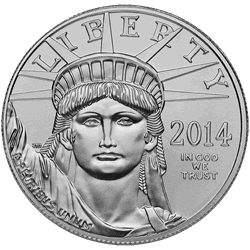
With funds in your account, you’re ready to choose which metals to buy. The IRS has strict requirements about what qualifies. For gold, eligible products include:
- American Gold Eagle coins (the only IRS exception to the 0.995 purity rule — Eagles are 0.9167 but are still approved)
- American Gold Buffalo coins (0.9999 fine)
- Canadian Gold Maple Leaf coins (0.9999 fine)
- Gold bars and rounds from approved refiners meeting 0.995 fineness
Collectible coins, numismatic coins, and gold jewelry do not qualify for a Gold IRA regardless of their value. Sticking to IRS-approved bullion products keeps your account in compliance and protects your tax-advantaged status. Working with a trusted dealer who understands these requirements is essential at this stage.
At Absolute Bullion, we carry a full selection of IRS-approved gold and silver products suitable for self-directed IRAs. Our team can help you identify which coins and bars meet IRS purity standards so your account stays fully compliant.
Step 4 — Arrange Storage at an Approved Depository
After purchasing your metals, your custodian will coordinate delivery to an IRS-approved depository on your behalf. You generally won’t handle the physical metals yourself — the transaction flows directly from the dealer to the storage facility.
Most depositories offer two storage options: segregated storage, where your metals are stored separately and labeled as yours, and commingled storage, where your metals are pooled with those of other investors but tracked by weight and type. Segregated storage typically costs more but provides an extra layer of certainty that the specific coins or bars you purchased are the ones you own.
Confirm that the depository carries adequate insurance coverage. Leading facilities carry insurance policies that cover the full value of metals held, giving you peace of mind regardless of market conditions.
Step 5 — Monitor Your Account and Understand the Rules
Once your Gold IRA is funded and your metals are in storage, your main job is to keep your account in good standing over time. This means staying aware of annual contribution limits, required minimum distributions (RMDs) for Traditional IRAs starting at age 73, and the tax consequences of early withdrawals before age 59½.
Your custodian will send annual account statements and handle required IRS reporting, but reviewing those statements regularly is your responsibility. If you want to add more metals, the process simply repeats: fund the account, select approved products, and arrange storage through your custodian.
Diversifying across multiple metals — gold, silver, platinum — is a strategy some investors use to broaden their exposure within the same account. Whatever combination you choose, always verify that each product meets IRS purity requirements before purchasing.
Ready to Take the First Step?
Opening a Gold IRA takes patience and a bit of research, but the path is clear once you understand each stage. Choose a qualified custodian, fund your account properly, select only IRS-approved metals, and let an approved depository handle secure storage. The result is a retirement account backed by a tangible asset with a centuries-long history of preserving wealth.
When you’re ready to select your metals, visit absolutebullion.com to browse our full inventory at current spot price. Our team is here to answer questions and help you choose the right products for your retirement strategy — no pressure, just straightforward guidance from people who know precious metals inside and out.